youtuber merch
YouTuber Merch: 12 Examples and What They Get Right
Twelve real YouTuber merch stores, from MrBeast to Kurzgesagt, and the one thing each gets right that a small creator can copy this month.
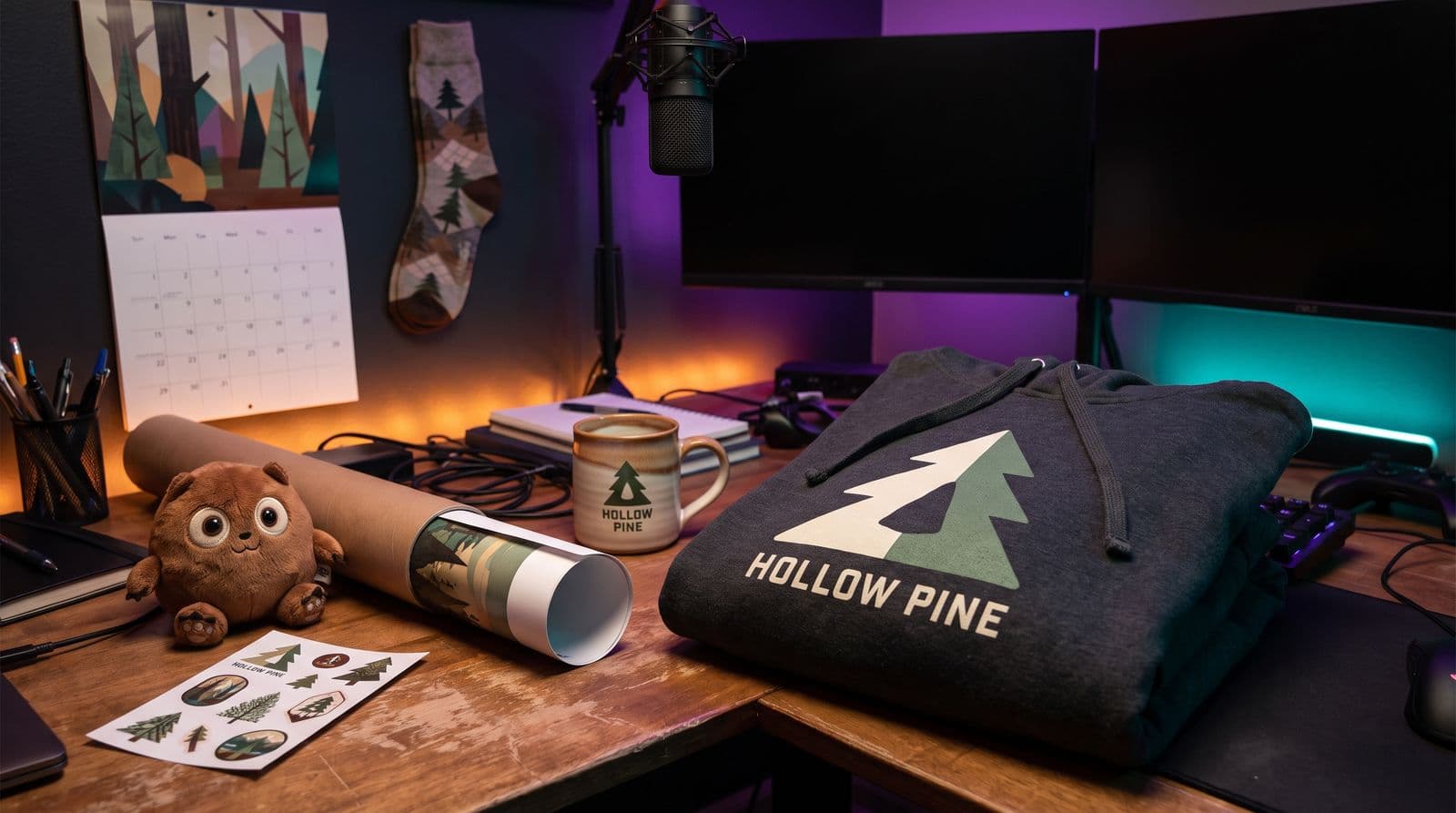
Most YouTuber merch is a logo on a black tee, and most of it sits in a drawer. The stores that actually move product do something more specific. I went through the merch of twelve channels, big and small, and pulled out the one thing each of them gets right.
None of these creators started with a warehouse. Every tactic below scales down to a channel with a few thousand loyal viewers, which is probably where you are. If you want the fundamentals first, start with our guide on how to design merch fans will actually wear, then come back for the examples.
The Pattern Behind All Twelve
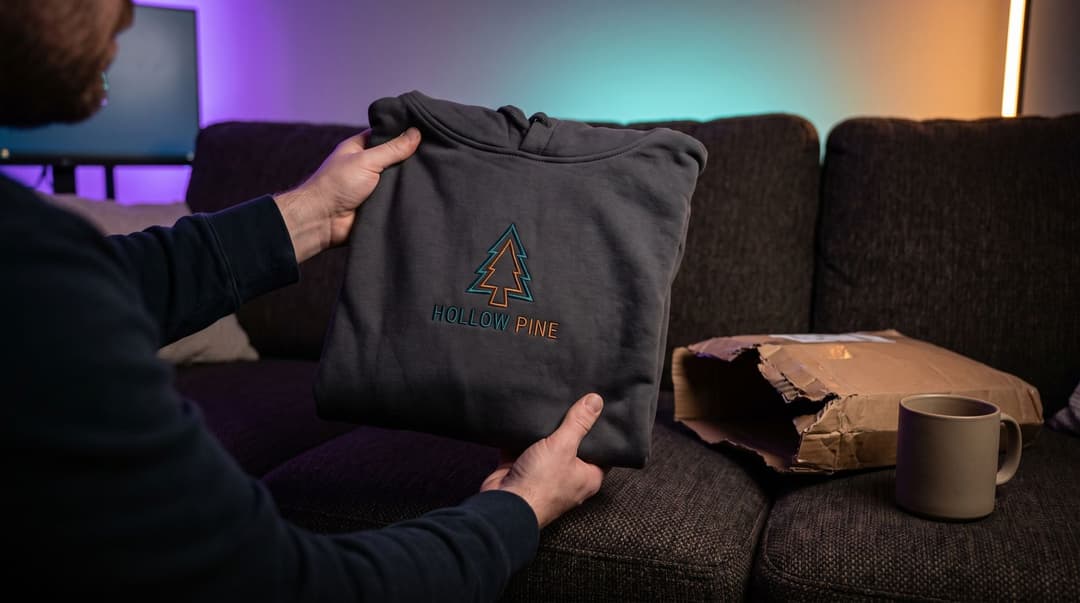
Before the list, the thing they share. Every store below passes one test: a fan would buy the item even if it had nothing to do with the channel. The screwdriver is a good screwdriver. The calendar is a good calendar. The plush is cute. The channel name is the reason a fan looks, and the product is the reason they buy.
The second thing they share is restraint. None of them launched with thirty products. Most started with one or two items, learned what sold, and added slowly. That is cheaper for you too, because print-on-demand means every item on the list, from the hoodie to the sticker sheet, can be made one at a time with no stock in your closet. Start with one, make it good, and let the audience tell you what comes next.
The Big Operations
These channels run merch like a business, but the lessons are not about scale.
1. MrBeast: drops, not a catalog
MrBeast's store does not sit there with the same forty items all year. It runs on timed drops, and lately on licensed collections, like the Naruto apparel line with VIZ Media that launched in waves at a set time on his own storefront.
What they get right: a date and a time. A drop gives your community a reason to show up at once instead of "someday." You can do the same with ten shirts and a Discord announcement.
2. Linus Tech Tips: merch that is a real product
LTTStore sells hoodies, but it is known for a screwdriver and a backpack. The about page talks about bearings and stitching, not logos. The products took years to design and the channel documented the process on camera.
What they get right: making something the audience needs anyway. You do not have to engineer a tool. A desk mat, a mug that holds enough coffee, or a proper heavyweight hoodie can be "the good one" your viewers recommend to each other.
3. Kurzgesagt: the shop funds the videos
Kurzgesagt is open about the money. Around 60% of the channel is funded by its shop, according to its own about page, checked in October 2026. The products are posters, calendars and science-themed collections that feel like extensions of the videos, not ads for them.
What they get right: telling viewers plainly that buying the thing keeps the content free. Honest framing turns a purchase into support, and nobody minds supporting work they already love.
4. Rhett & Link: a decade of inside jokes
Mythical's store has years of designs built on bits from Good Mythical Morning, plus the occasional limited run, like the tie-dye collection with Cloak that mostly sold out.
What they get right: depth. A catchphrase from one episode becomes a shirt only that episode's viewers understand. Your version is the thing your chat spams. Put that on something before your logo.
The Brand Builders
These creators turned merch into something that stands on its own.
5. Yes Theory: a mantra, not a channel name
Seek Discomfort is Yes Theory's clothing brand, and the name is the channel's whole philosophy. Shopify's write-up on making and selling merch tells the story of a fan in a Seek Discomfort hoodie meeting another fan at an airport gate. The brand's name never had to appear.
What they get right: the design signals belonging. A phrase your community lives by will outsell your username, because people are proud to wear an idea.
6. Markiplier and Jacksepticeye: owning the label
In 2018 the pair launched Cloak as a gaming lifestyle brand rather than a merch page. It went on to do licensed Five Nights at Freddy's and Minecraft collections and brought in other creators as co-owners.
What they get right: teaming up. Two audiences are bigger than one, and a joint drop halves the work. We cover the mechanics in our guide to merch collabs and joint drops.
7. Simone Giertz: products born on camera
Simone Giertz's store, Yetch, launched in 2022 with items that came straight out of her videos, like the Every Day Goal Calendar and a 499-piece puzzle. More recently a laundry chair from a video went to Kickstarter.
What they get right: the video is the product launch. If you build, cook, craft or design on stream, the thing you made is the merch. Viewers watched it come to life, so they already want it.
8. Ludwig: saying the price out loud
Ludwig's Mogul Moves line is sold at his own site, and in 2025 it partnered with Crunchyroll on a Cowboy Bebop apparel collection with a pop-up during Anime Expo. When tariffs changed his costs the same year, he explained the new prices to his audience on stream rather than quietly raising them.
What they get right: transparency about money. Your viewers know merch is a business. Tell them what a hoodie costs you and why, and the price stops being an argument. Our pricing guide shows how to work the numbers.
The Community Plays
These examples prove merch can mean more than revenue.
9. Hank and John Green: a subscription with a purpose
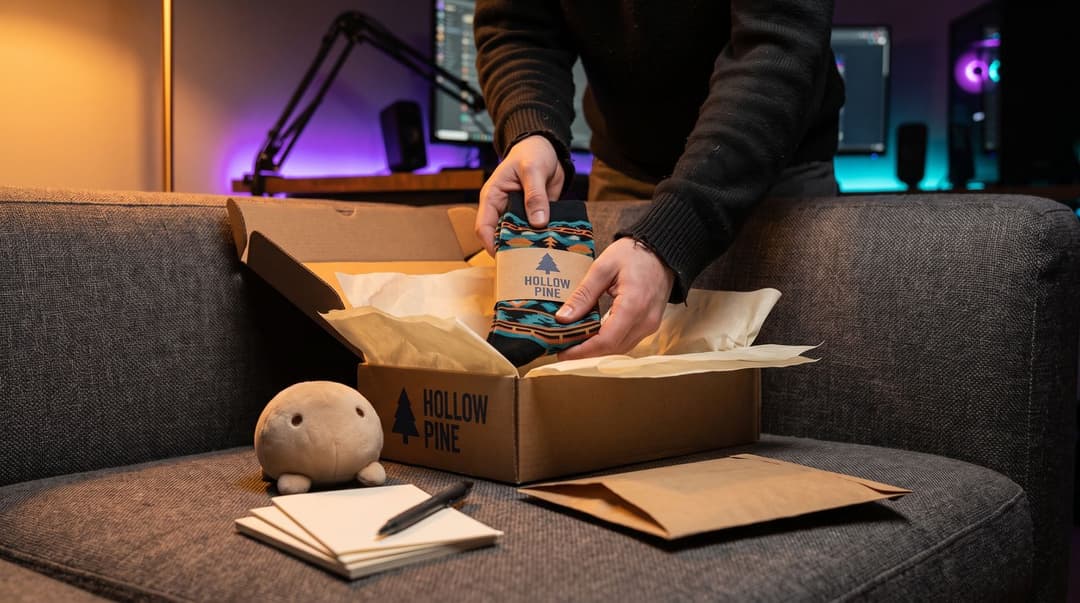
The Awesome Socks Club sends a new pair of socks every month, and its profits go to maternal health work in Sierra Leone. Tubefilter covered its 2022 reopening, and it still runs through the brothers' Good Store.
What they get right: recurring merch with a reason. A subscription is hard to pull off at small scale, but the principle is simple: give people a standing reason to buy, not just a one-off.
10. Technoblade: merch that outlives the channel
Technoblade died in 2022. His family kept his store running, it points every visitor to the Sarcoma Foundation of America, and sales in his honor have funded cancer research for years since.
What they get right: a cause the community already cares about. You do not need a tragedy for this. A charity stream with a merch item attached, where the margin goes to the cause, builds trust faster than any discount.
11. Unus Annus: scarcity that was real
Markiplier and Ethan Nestor built a channel designed to be deleted after one year. When it ended in November 2020, the final merch drop was really final. The store went with the channel.
What they get right: limited means limited. If you say a design is gone after the drop, keep your word. One honest limited run teaches your audience to buy when you say so.
12. Jaiden Animations: a character fans want to hold
Jaiden's bird, Ari, is a character in her animations, and the Ari plush from her store sells out and reappears on resale sites at several times its price.
What they get right: merch built around a character, not a creator. A mascot, an emote or a recurring joke can carry a product on its own. For a smaller channel, stickers of your emotes are the cheapest way to test which one your audience loves.
What to Steal First
You cannot copy all twelve, and you should not try. Pick the one that matches what your channel already has:
- A phrase or emote your chat repeats: do the inside-joke design (Rhett & Link, Jaiden).
- Something you make on camera: sell that thing (Simone Giertz, Linus Tech Tips).
- A friend with an overlapping audience: plan a joint drop (Cloak).
- A cause your community rallies around: attach merch to it (the Greens, Technoblade).
- An audience that shows up live: run a dated, limited drop and mean it (MrBeast, Unus Annus).
Then order a sample before you announce anything. Every store on this list sells things the creator would wear or use themselves, and that is the whole trick. When you are ready to tell your audience, we have a guide on announcing a drop without killing the vibe.
FAQ
What kind of YouTuber merch sells best?
Things fans would buy even without your name on them: a well-made hoodie, a plush of a character they love, a calendar that extends the content. Merch that works as a product outsells merch that works as an ad.
Do I need a big audience to copy these examples?
No. The tactics scale down. An inside-joke design, a limited run, a charity tie-in or a product born from a video all work for a channel with a few thousand engaged viewers, usually better than for a huge one.
Should my merch be a separate brand like Seek Discomfort?
Only if the name stands for an idea your audience already repeats. Most channels do better keeping the channel name on it and putting the effort into the design and the garment instead.
Keep reading
- Twitch Affiliate Merch: Your Guide to Selling Right Away
Just hit Affiliate and wondering about Twitch Affiliate merch? Here's a no-BS guide on what you can sell and how to set it up the moment you qualify.
- How to Turn Your Twitch Emotes into Merch & Stickers
Looking for a Twitch emote maker? Learn how to design emotes that work on screen and in print, and follow our guide to turn them into your first merch, like a custom sticker sheet.
- Custom Playmats: The Perfect Merch for TCG & Tabletop Streamers
Thinking about merch for your TCG or tabletop stream? A custom playmat is a perfect fit. Here’s a no-BS guide on how to design, print, and sell one your community will love.