inclusive sizing
Inclusive Sizing for Creator Merch: Plus, Tall and Youth Sizes
How to offer plus, tall and youth sizes in your creator merch: what print-on-demand catalogs actually carry, how to check the blank, how to price extended sizes, and how to tell fans the sizes exist.
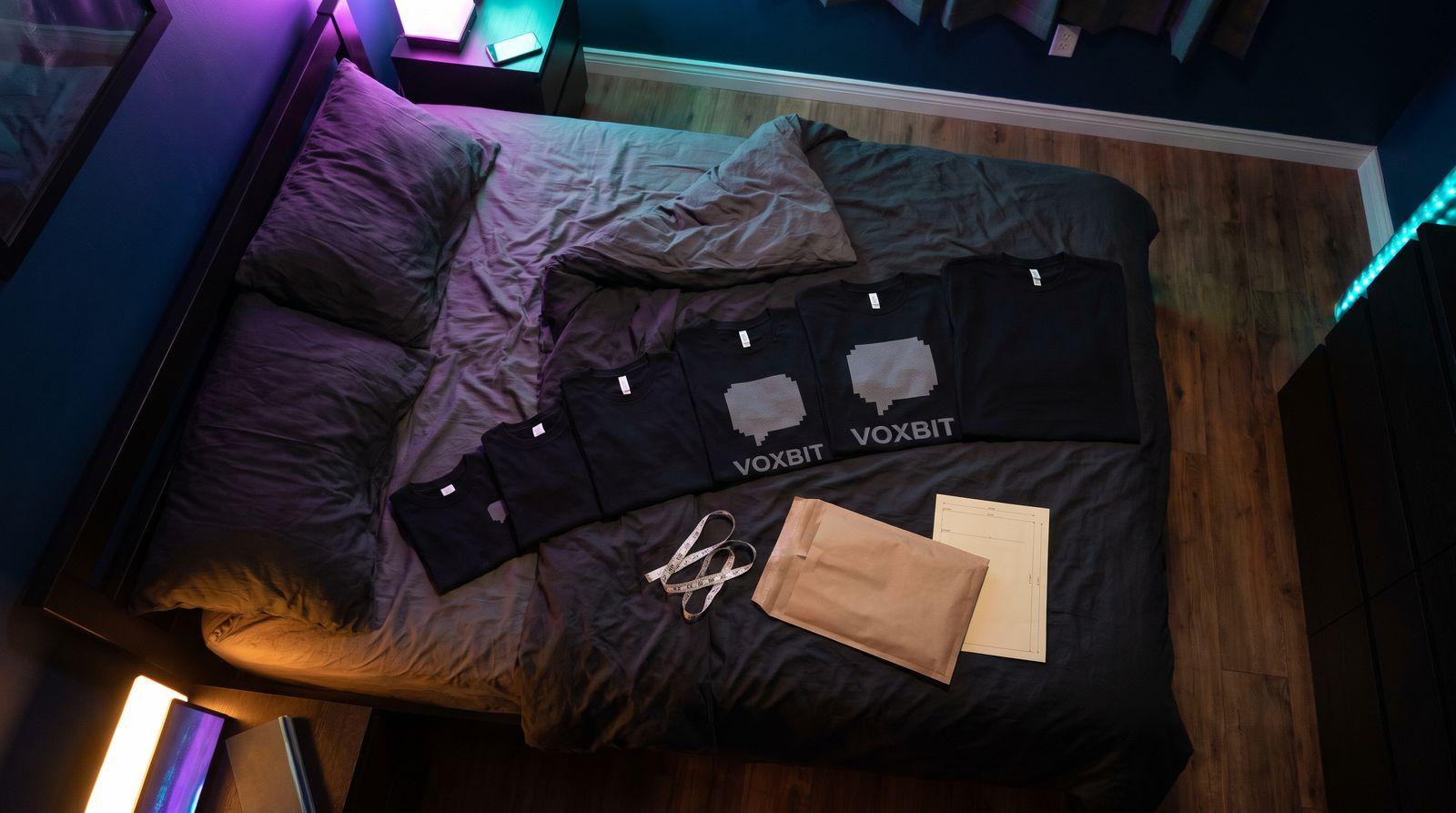
Every merch drop gets the same quiet message a day or two after launch. Not in chat, where people complain about price, but in DMs: "Does it come in 3XL?" "Is there a youth size for my kid?" "Will the hoodie be long enough?" The fans asking are often your most loyal, and they have learned not to expect a yes. This guide covers why sizing is the complaint you rarely hear out loud, what inclusive sizing actually means on a print-on-demand catalog, how to handle plus, tall and youth sizes one at a time, how to price extended sizes, and how to tell people the sizes exist.
Why Sizing Is the Complaint You Never Hear
Fans who cannot find their size do not argue about it. They close the tab. That makes it easy to assume demand for larger or smaller sizes is tiny, when the truth is that your store is simply not hearing from those people.
The numbers say the demand is ordinary. The CDC's body measurements summary puts the average waist of a US man aged 20 or over at 40.6 inches and a woman's at 38.5, from data collected between August 2021 and August 2023. An average adult is already at the upper end of what a "standard" S to XL range fits comfortably, and a great many adults are above that.
The research on how people experience this is blunt. In a Nordic study of 2,834 consumers published in Culture Unbound, Laitala, Klepp and Hauge found that size labels are "not accurate enough to find clothing that fits", that "different sizes are poorly available", and that large women, very large men and short, thin men get less priority in shops and have the most trouble finding clothes. The same groups are in your community. They are used to being left out, which is why a merch line that includes them earns a loyalty that a clever design on its own never will.
What "Inclusive" Means on a Print-on-Demand Catalog
Inclusive sizing for a creator means one thing: every size the blank is made in is available in your store, with measurements a fan can check against a shirt they already own. It does not mean designing a new garment, because you are not a clothing brand. It means not cutting sizes off the list.
The good news is that the common blanks go further than most creators realise. The Bella+Canvas 3001, the standard soft unisex tee, is listed in sizes XS through 5XL on Printful's product page, with a size guide and a note that price varies by size. Printify's listing for the same blank runs from XS to 5XL too, with chest widths from 16.5 to 32 inches and body lengths from 27 to 35 inches. Hoodies and sweatshirts typically stop a size or two earlier, and some colors of a blank stop earlier than others.
What those catalogs do not offer is tall sizes, and youth sizes come on separate blanks that you add as separate products. So the practical definition of inclusive sizing on a print-on-demand store has three parts: offer the full range of the blank, publish the measurements, and add a youth product alongside the adult one.
Plus Sizes: Check the Blank, Not the Mockup
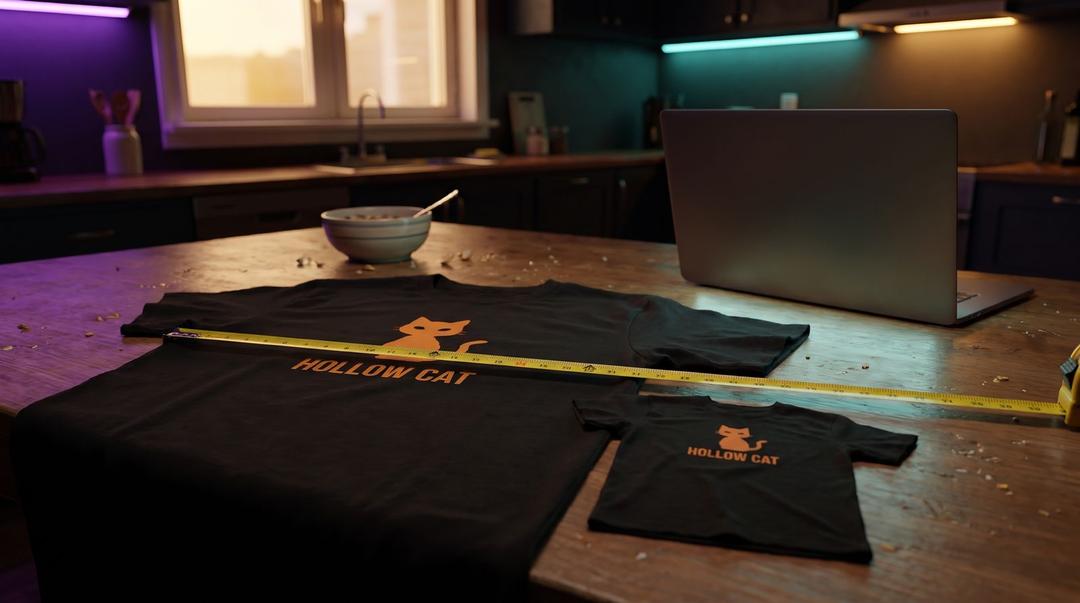
The mockup shows a medium. Everything you need to know about plus sizes is in the size list and the size chart underneath it.
- Confirm the top size on the exact blank and color. Catalogs list a range for the product, but a particular color may not come in 4XL or 5XL. Open the product, pick the color you want, and check which sizes stay selectable.
- Look at the print area. Direct-to-garment print areas are the same size on a 5XL as on a small, so a chest design that fills a medium sits as a smaller patch on a larger shirt. Centre it and keep it a sensible size rather than scaling it to the edge of a medium.
- Order a sample in a large size. Order a 3XL or 4XL as well as the medium and look at where the print sits, because that is the shirt some of your fans will actually receive.
- Check the per-size price. Some blanks step up in cost at 2XL and again above it, and the product page shows the price for the size selected. Decide how you will handle that before launch, which the pricing section below covers.
If a blank you love stops at 2XL, pick a different blank. The fan who needs 4XL does not care which brand of tee it is.
Tall Sizes: The Honest Answer
Print-on-demand catalogs rarely carry tall cuts. A tall fan asking for a "tall" option is usually asking a simpler question: will the body be long enough? You can answer that without a tall blank.
Publish the body length by size from the supplier's size chart, in inches and centimeters, and say where the shirt is measured from, which is normally the top of the shoulder at the collar. The Printify size guide for the Bella+Canvas 3001 above, for example, lists lengths from 27 inches at XS to 35 inches at 5XL. A tall fan can then compare the number against a shirt that fits and size up for length if the extra width is acceptable to them.
Two further things help. Blanks with a longer body, such as the heavier cotton tees, tend to suit tall buyers better than the slim retail-fit styles, and the size chart will show the difference. And if a lot of your audience asks, a longline or oversized style, which many catalogs do carry, often solves the length problem in a way that reads as a design choice rather than a compromise.
Youth Sizes: Family Viewers and Little Fans
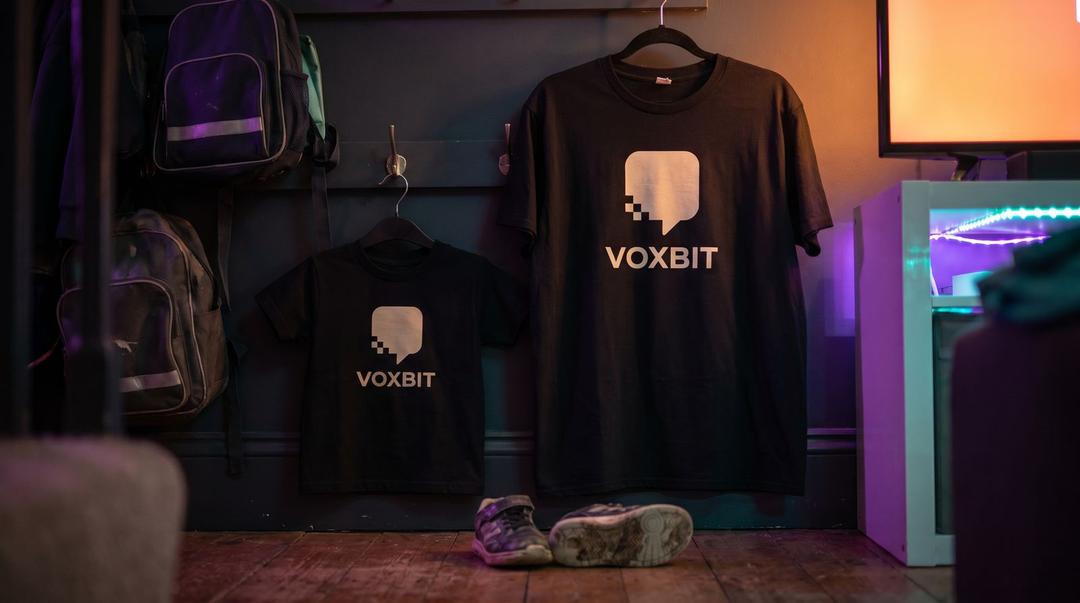
If your stream is family-friendly, or you simply have viewers who are parents, a youth size is the most-requested product you are not making. Children do not fit adult XS, and parents will not buy an adult small to roll the sleeves on.
Youth tees are separate blanks, so they are a separate product in your store with the same design uploaded again. Printful's kids and teens catalog has toddler tees in 2T to 5T, a youth classic tee in XS to XL, and sizes overall from six months to youth XL. On Printify, the Bella+Canvas 3001Y youth tee runs from S to XL with a size guide in inches, and the same catalog has toddler tees, youth hoodies and youth sweatshirts.
Three cautions. Keep the design appropriate for a child to wear to school, which usually means your mascot or logo rather than an inside joke from chat. Publish a size guide by age as well as by measurement, because parents buy by age. And check the care label and any compliance notes on the youth blank, because children's clothing is regulated more tightly than adult clothing in most markets.
How to Offer Extended Sizes Without Losing Money
Extended sizes can cost you more per unit, and there are two honest ways to handle it.
Tiered pricing. You pass the supplier's step-up on, so a 3XL costs the buyer a little more than a medium. It is transparent and it protects your margin, but it is also the thing plus-size shoppers resent most, because it reads as a penalty for being larger.
One price across all sizes. You set a single price and absorb the step-up on the sizes that cost more. Since larger sizes are a minority of orders, the cost to you is usually small spread across the whole drop. This is the option most creators pick once they have done the sum, and the goodwill is real.
Whichever you choose, model it before you launch. If the supplier's step-up on a tee is a dollar or two, as an illustration, a single price that is a few per cent higher across every size covers it with room to spare, and nobody at checkout sees a size surcharge. Our guide to pricing your streamer merch walks through the full sum from base cost to shelf price. Whatever you decide, say so in the listing: "same price in every size" is a line fans screenshot and share.
Telling Fans the Sizes Exist
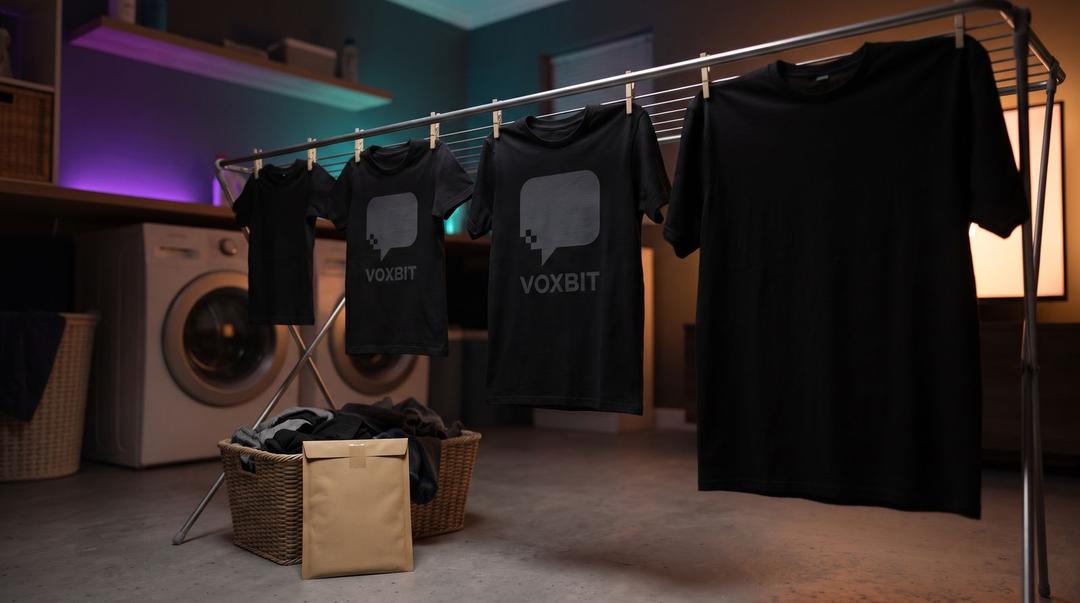
Offering the sizes is half the job. The other half is making sure the fans who stopped asking find out.
- Put the size range in the product title or the first line. "Unisex tee, XS to 5XL" tells a 4XL buyer they are welcome before they scroll.
- Include the full size chart in the listing, with chest width and body length for every size, in inches and centimeters. Link to the supplier's chart rather than retyping it, so it stays correct when the blank changes.
- Show the shirt on more than one body. If you can get photos from fans or friends in a range of sizes, use them. A single medium on a mannequin tells a plus-size buyer nothing.
- Say it on stream. When you announce the drop, say the size range out loud and mention the youth sizes. A pinned chat command with the size range and a link to the chart answers the DM before it is sent.
If you want to see which merch platforms let you offer which blanks and sizes, the Platform Finder scores them side by side.
Start With the Blank
Inclusive sizing on a creator store is not a design project. It is a habit of checking the size list before you fall in love with a blank, keeping every size the blank comes in, adding a youth version, publishing measurements, and saying out loud that the sizes exist. The fans who need it will not thank you in chat. They will buy the shirt, wear it, and stay.
FAQ
What sizes should creator merch come in?
As wide a range as the blank allows. Most unisex print-on-demand tees run from XS to 5XL, youth tees from toddler sizes to youth XL, and the fans who need the ends of that range are the ones who notice when they are missing. Offer every size the blank comes in unless you have a reason not to, and put the size chart with real measurements in the listing.
Does print on demand have plus sizes?
Yes, on many blanks. The common unisex tees and hoodies go to 4XL or 5XL on the main print-on-demand catalogs, but it varies by blank and by color, so check the size list on the product page rather than the mockup. Tall sizes are the gap: very few print-on-demand blanks come in a tall cut, so the honest route is to publish body length by size.
Should I charge more for plus sizes?
Your supplier may charge you more for the larger sizes of some blanks, so check the price per size before you set a price. You can pass the step-up on, or set one price across all sizes and absorb the difference, which many creators do because the extra cost is small against the goodwill. Say which you have done rather than letting a fan find out at checkout.
Keep reading
- Merch Terms Every Creator Should Know: Drop, Blank, Colorway and More
What merch means, how it differs from swag, and the words creators, printers and fans use for products, prints and drops, explained plainly so you can read a catalog and run a launch without guessing.
- Do Fans Actually Buy Creator Merch? Why They Buy (and Why They Don't)
Why fans buy creator merch, why most of them don't, and what the gap between 'take my money' in chat and real orders means for how you design, price and launch your next drop.
- A Creator’s Guide to Custom Acrylic Merch
Ready to make your first merch drop? Learn how to design and sell custom keychains, charms, and standees that your community will actually love and collect.