sustainable streamer merch
Sustainable Streamer Merch: A Guide to Eco-Friendly Gear
Looking for sustainable streamer merch? Get the real talk on eco-friendly options, from organic cotton to made-to-order, and learn how to avoid greenwashing.

So, you’re thinking about merch. You want to make something cool for your community, a way for them to rep the stream IRL. But you also look at the world and think, “Do we really need another cheap t-shirt that falls apart after three washes?”
Let’s just say it: most merch is basically fast fashion with a creator’s logo slapped on it. And that industry has a huge waste problem. To put a number on it, the world generates roughly 92 million tonnes of textile waste every single year.
That feels… bad. But it doesn’t have to be your story. You can absolutely create awesome, sustainable streamer merch that you and your chat can feel good about. It just takes being a little more thoughtful. This guide will walk you through the real options, from making smarter choices with print-on-demand to finding gear that’s designed to be remade.
The Honest Truth About Merch and Waste
Before we get to the solutions, we have to be real about the problem. Why is a lot of traditional apparel so wasteful? It comes down to a few things.
First, there’s the material itself. Growing conventional cotton uses a massive amount of water and pesticides. Then you’ve got the dyes, the chemicals, and the emissions from shipping products from a factory on one side of the world to a warehouse on the other, and finally to your viewer.
But for a creator, the biggest enemy is something called “dead stock.”
Dead stock is any inventory you have that doesn’t sell. It’s those three boxes of 2XL shirts from your first drop that are still sitting in your closet. You paid for them, they were produced, and now they’re just… there. Not only is that a financial hit, it’s an environmental one. All the resources that went into making those shirts were for nothing.
This is where you hear people talk about print-on-demand, or POD. A lot of folks act like it’s a magic “eco-friendly” button, but the truth is more nuanced. The single biggest environmental benefit of POD is that it eliminates dead stock. It directly fights overproduction. But that’s only one piece of the puzzle. The total impact of your merch still depends on the blank garment, the printing method, where it’s fulfilled, and the packaging it arrives in.
POD isn't automatically sustainable. But it’s a powerful starting point if you use it smartly.
How Print-on-Demand (POD) Can Help (When You're Smart About It)

Print-on-demand, or made-to-order merch, is your number one weapon against creating waste. The model is simple: an item is only produced after someone actually buys it. No guessing on sizes, no ordering 100 hoodies upfront, no dead stock.
And you’re not alone in thinking about the ethics of it all. Creators are already asking these questions. I recently saw a Reddit thread where a creator was specifically looking for merch that was produced locally, with sustainable practices and fair pay for workers. The demand for better options is growing, both from creators and their communities.
So, how do you find the good stuff? You have to do a little digging. Let’s use two of the big platforms, Printify and Printful, as examples of what to look for.
Printify operates as a network. You choose a design, and then you pick a specific print provider from their list to actually make and ship the item. Their big plus is that they claim around 92% of their orders are produced in the same country they’re being delivered to. This is huge for cutting down on shipping distances and emissions. The key here is that you must research the specific print provider you select. Some will have great eco-friendly options, others won't. It’s on you to check.
Printful handles its own production and has started curating collections to make finding better options easier. For example, Printful’s eco-friendly collection groups the products made with organic or recycled materials, so you do not have to check each listing. They also list out product certifications like GOTS (Global Organic Textile Standard) or OCS (Organic Content Standard), so you know it’s not just a vague claim.
The lesson here isn’t that one platform is better than the other. It’s that you have to go beyond the homepage marketing and look at the details of the specific product you want to sell. That’s how you use POD to its full potential.
Your Eco-Friendly Merch Checklist: What to Look For
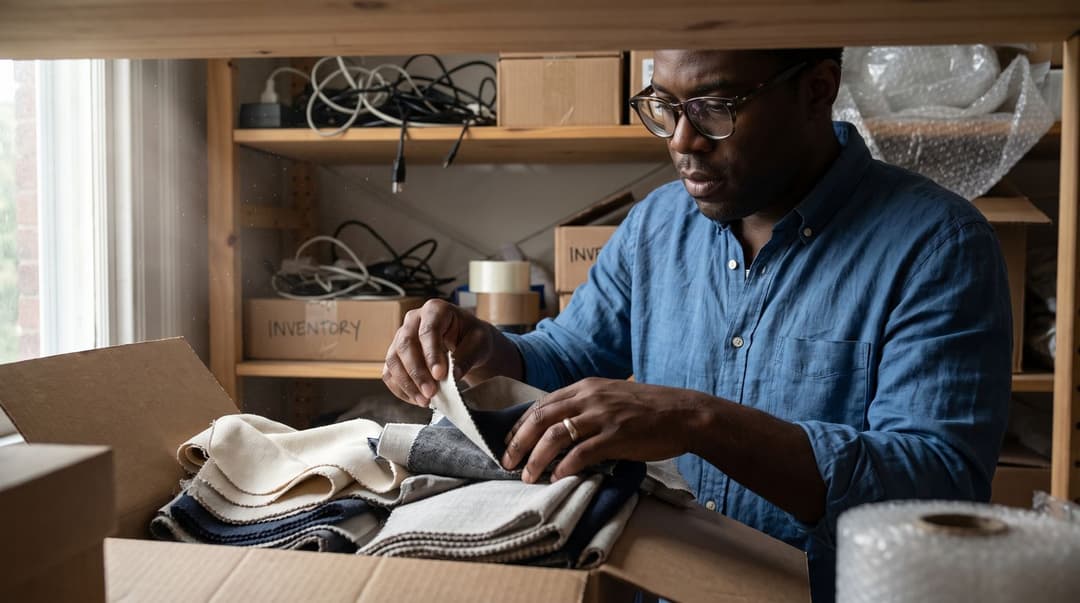
Okay, you’re browsing a POD catalog. How do you tell the good from the bad? Here’s a quick checklist of what to look for. Think of it as checking the stats on a new piece of gear before you equip it.
- The Materials: This is your base stat. Look for products made with organic cotton, which is grown without toxic pesticides and uses way less water than conventional cotton. Another great option is recycled materials, like recycled polyester (often made from plastic bottles) or recycled cotton from manufacturing scraps.
- The Certifications: These are like achievements or trophies that prove a product’s claims. You don’t need to be an expert, but it helps to recognize a few names. GOTS (Global Organic Textile Standard), OCS (Organic Content Standard), GRS (Global Recycled Standard), and RCS (Recycled Claim Standard) are all third-party verifications. They confirm that the material is what it says it is.
- The Inks: The design itself needs to be printed. Look for providers that use water-based inks. They are much gentler on the environment than traditional plastisol inks and often have certifications like OEKO-TEX™, which means they’re tested for harmful substances.
How to Spot Greenwashing
Greenwashing is when a company spends more time and money marketing themselves as environmentally friendly than on actually minimizing their environmental impact. Here’s how to spot it:
- Look for specifics, not fluff. “100% GOTS-certified organic cotton” is a real claim. “Planet-friendly fabric” means nothing.
- Check for named certifications. If they say it’s certified, they should say by who. If not, be skeptical.
- Watch for vague words. Terms like “green,” “eco-friendly,” “conscious,” or “natural” without any proof are giant red flags. The FTC specifically warns against these kinds of broad, unqualified environmental claims.
Beyond POD: Exploring Circular Merch
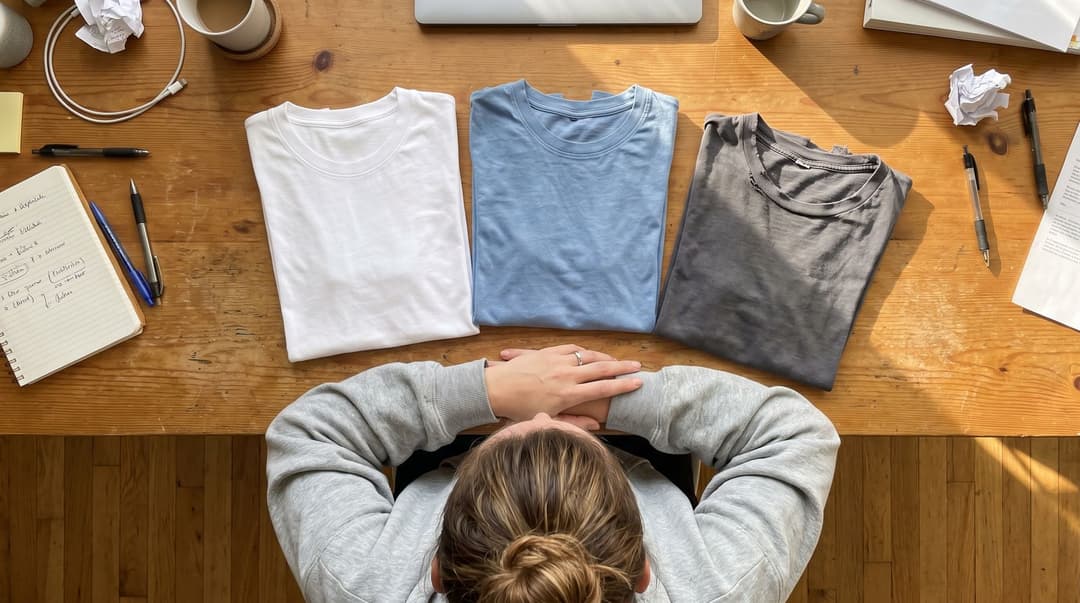
This is the next level. Most of the conversation around sustainable merch focuses on making products from better stuff. But what happens when that shirt eventually wears out? Usually, it ends up in a landfill.
Circular design tries to solve that problem. It’s the difference between a “sustainable” product and a truly “circular” one.
- Sustainable is about better inputs (organic cotton, recycled polyester).
- Circular is about designing a product for a complete end-of-life loop, so it never becomes waste.
A great example of this in action is Teemill’s Remill program. They create products from organic cotton in factories powered by renewable energy. Each item has a QR code on the tag. When the shirt is completely worn out, the owner can scan the code, get instructions, and mail it back for free. Teemill then recovers that material, shreds it, and spins it into new yarn to make new products. The loop is closed.
This is a more advanced option, for sure. But it shows where things are heading. It’s about taking full responsibility for a product’s lifecycle, from creation to recreation. It’s a powerful idea and something to keep an eye on as you grow.
Picking the Right Products (and Talking to Your Chat About Them)
The most sustainable piece of merch is the one someone actually loves and uses for years. A huge catalog of novelty items that get used once is far more wasteful than one really good hoodie.
Your goal should be to launch fewer, better things. Think like a minimalist raid boss: equip only the best gear. Focus on high-quality, high-use items that become a staple for your viewers.
Good starting points include:
- A genuinely comfortable hoodie or classic t-shirt
- A sturdy tote bag for groceries or carrying gear
- A beanie or cap
- A reusable water bottle or coffee mug
If you're looking for more inspiration, you can find a list of 10 Streamer Merch Ideas and Design Concepts Fans Actually Buy that can easily be adapted with sustainable products.
Once you pick something, communication with your chat is everything. This video from creator Erin on Demand has some great advice, even if it is a promo for a specific platform:
Watch Erin on Demand’s advice on communicating a merch drop
The key takeaways for any creator are golden:
- Always sample your products first. You can’t vouch for the quality if you’ve never held it.
- Be honest with your community. Tell them why you chose a specific product. If it costs a little more because it’s organic cotton, explain that. They’ll appreciate the transparency.
- Encourage mindful consumption. Remind people to buy something only if they’ll actually use and love it. No guilt-tripping people into buying merch they don’t need.
Research shows your audience might be more receptive than you think. One global survey found that consumers are willing to pay an average 9.7% more for sustainably produced goods (PwC’s 2024 Voice of the Consumer survey). But that’s not a guarantee. You have to explain the value. When they know the extra cost means a better product that lasts longer and was made more thoughtfully, they’re more likely to see the worth.
It's About Being Thoughtful, Not Perfect
Look, creating sustainable streamer merch isn’t about finding one perfect, magical solution. It’s about being more intentional with your choices.
You don’t have to do everything at once. Start by using a made-to-order service to eliminate waste. Use the checklist to vet the product you want to sell. Pick one great item instead of ten mediocre ones.
And most of all, talk to your chat. They’re there to support you, not a logo on a shirt. Choosing to create better merch is just one more way of showing you respect them and the community you’ve built together. Start small, be honest, and make something you’re genuinely proud of.
FAQ
Is sustainable merch always more expensive?
Often, yes, because organic materials and ethical labor cost more. It helps to frame it as paying for quality that lasts longer, not just a disposable item.
Do my viewers actually care about eco-friendly merch?
You'd be surprised. Many do, especially if it aligns with your community's values. The easiest way to find out is to just ask them with a poll in Discord or on your community tab.
Can I just put "eco-friendly" in my product description?
No, avoid it unless you can back it up. Talk about *what* makes it eco-friendly (e.g., 'This hoodie is made from 85% organic cotton'). Vague claims are a red flag.
Where is the best place to start if I'm on a tight budget?
Start with a single, high-quality design on a made-to-order product from a provider's eco-friendly line. One great shirt beats ten mediocre ones every time.
Keep reading
- Instagram Shop vs. Linktree: Which Is Better for Streamer Merch?
Instagram Shop vs Linktree: which is better for your streamer merch? We break down the pros, cons, fees, and follower experience to help you choose the right tool.
- Streamer Merch Brand Name Ideas (+ How to Check If It’s Free)
Looking for streamer merch brand name ideas? Get 50+ creative names plus a simple 4-step guide on how to check if your new brand name is free to use.
- How to Design Streamer Merch That Actually Looks Pro
Learn how to design streamer merch that looks professional and your community will love to wear. A step-by-step guide from initial ideas to print-ready files.