esports merch
Esports Merch: A Guide to What Fans Actually Buy
Trying to figure out what esports merch your fans will actually buy? We break down the essential items, the psychology behind fan purchases, and how to launch your first drop without risk.
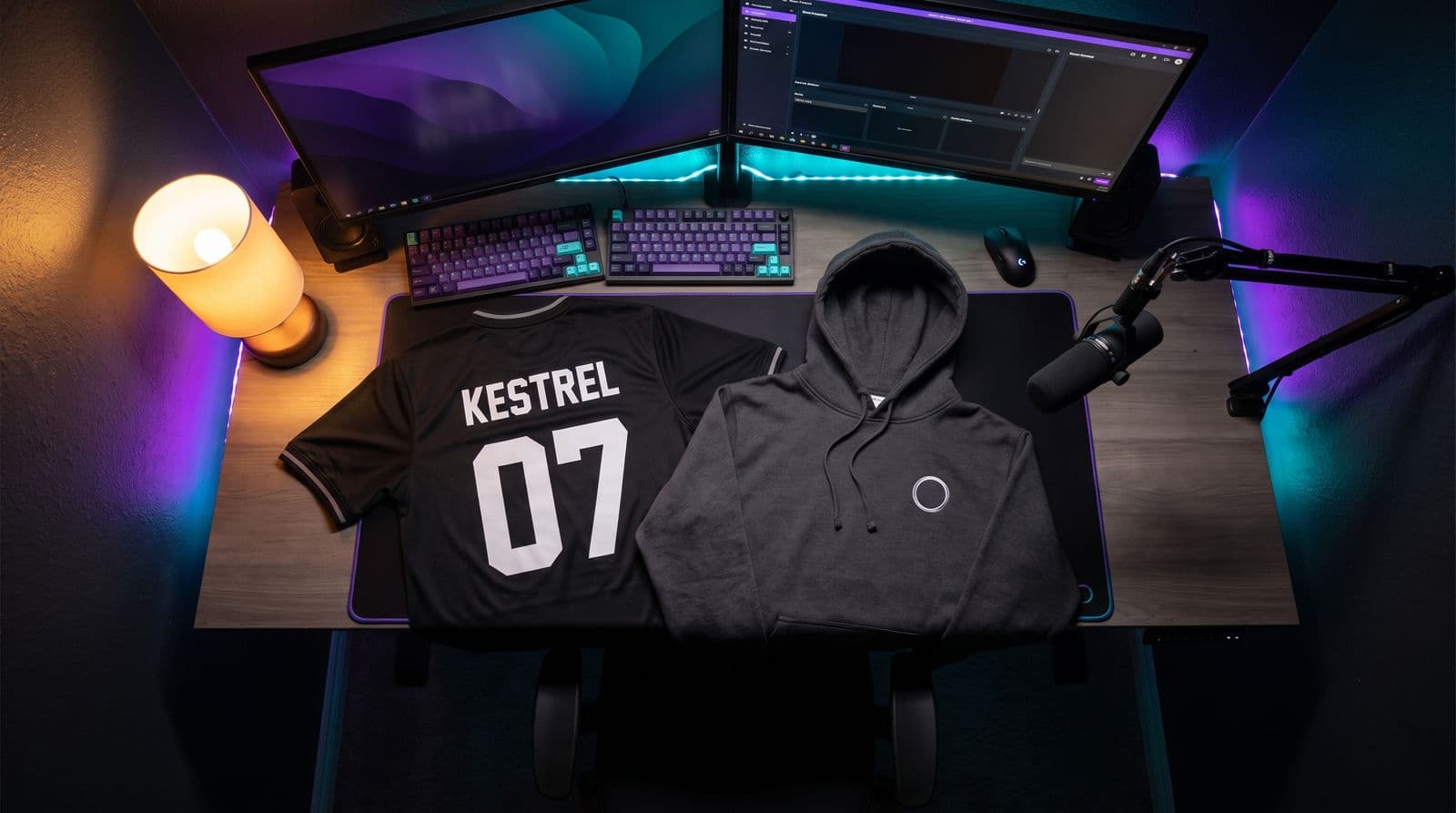
You see the big esports orgs with their slick online stores, pro player jerseys, and massive seasonal drops, and you think, “Yeah, not for me. Not yet.” It feels like a level you haven’t unlocked.
Here’s the thing nobody tells you: great esports merch has nothing to do with a massive budget or a pro design team. It’s about understanding why your fans would want to wear your logo in the first place.
This isn’t a list of 50 random products to fill a store. This is a playbook for making a few key pieces of gear that your community will actually be hyped to wear. We’ll cover what sells, why it sells, and how you can get your first drop live without spending a dime upfront. The audience for esports is massive and passionate, as Newzoo reports have shown for years, and they are ready to support the teams they love.
The “Why” Before the “What”: Understanding Fan Motivation
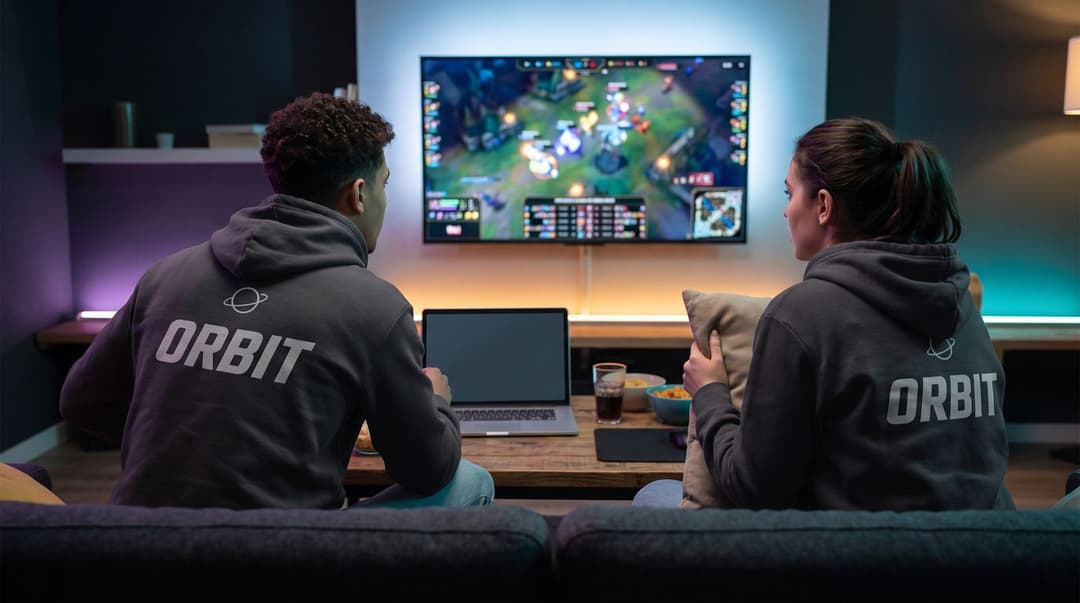
Before you even think about putting a logo on a t-shirt, you have to get inside your community’s head. Why would someone spend their hard-earned money on your stuff? It usually boils down to one of three reasons. If your merch idea doesn’t hit at least one of these, it’s probably not the right one.
1. Identity and Belonging
Wearing your team’s jersey or hoodie is the real-world equivalent of putting the team tag in their in-game name. It’s a way to signal that they’re part of the crew. They’re not just a passive viewer; they’re part of the team’s story. When they wear it out in the wild and someone recognizes it, they get that little jolt of connection. Your merch makes your online community feel like a real-life club, and people love that feeling of belonging.
2. Supporting the Grind
Your true fans know that the grind is real. They see the long streams, the tough tournament losses, and the work you put in behind the scenes. Buying a piece of merch is a super direct and personal way to support you. It feels different from a donation or a sub. It’s a tangible way for them to say, “I believe in what you’re doing, and I want to help you keep going.” They get something cool to wear, and you get the resources to keep competing. It’s a win-win.
3. The Inside Joke
This is where small teams have a massive advantage over the huge orgs. The absolute best merch comes from the culture you’ve built. It’s the weird catchphrase you always say, a community meme from the Discord, or a legendary moment from a VOD. A design that only your core community gets is a thousand times more powerful than just your logo on a shirt. It’s exclusive in the best way possible. It tells other people, “If you know, you know.”
The Starting Lineup: 4 Esports Merch Items to Launch First
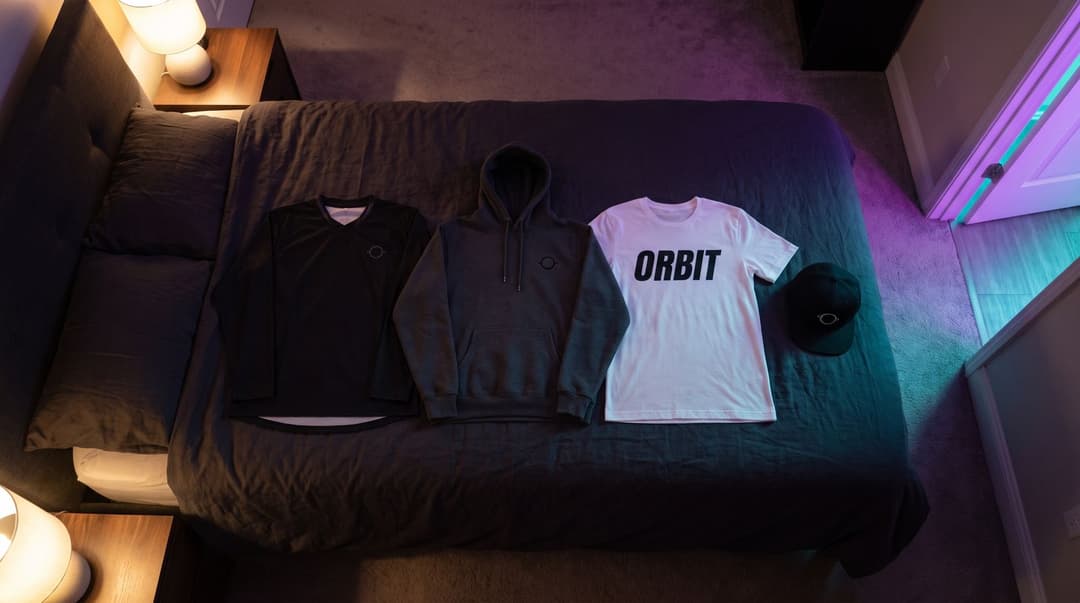
Okay, so you know the why. Now, what about the what? My advice is always the same: do not launch a 20-item store. That’s a recipe for decision paralysis for your fans and a headache for you. Start with a small, focused lineup of items that deliver the most bang for your buck.
1. The Team Jersey
This is the classic. But let’s be clear: it doesn’t need to be a custom-sewn, moisture-wicking, pro-level performance jersey. Not for your first drop. A high-quality t-shirt or long-sleeve shirt works perfectly. The key is the design. Keep it clean: your team logo on the left chest, maybe a sponsor on the sleeve if you have one, and the player’s name and number (or gamertag) on the back. This hits the “Identity and Belonging” nail right on the head.
2. The Hoodie
This is the unofficial uniform for anyone who spends time in front of a screen. A good hoodie is a staple. Because it’s a more expensive item, quality here is non-negotiable. Nobody wants a thin, scratchy hoodie that shrinks after one wash. This is where you might spend a little more on the base product, but it’s worth it. A comfy, well-made hoodie with a clean logo is often the single most-loved item a team sells. Knowing about different types of fabric can help you choose a base product that people will want to live in.
3. The Simple T-Shirt
This is your entry-level item and the perfect place for that “Inside Joke” design. It’s less of a financial commitment for your fans, so it’s an easier first purchase. The rule here is simplicity. Don’t try to cram five different ideas onto one shirt. Pick one great concept, a funny phrase, or a stylized version of a community emote, and let it shine. A bold, clean design will always look better than a cluttered, noisy one.
4. One Accessory
Round out your starting lineup with one simple accessory. Think dad hats, beanies, or even a mousepad. These items are typically lower-cost and give fans another way to show their support without buying more apparel. A hat with a small, embroidered version of your logo is timeless. It’s an easy add-on to an order and a great way to test what other kinds of products your community might be interested in down the line.
Leveling Up: Merch That Builds Deeper Community Bonds
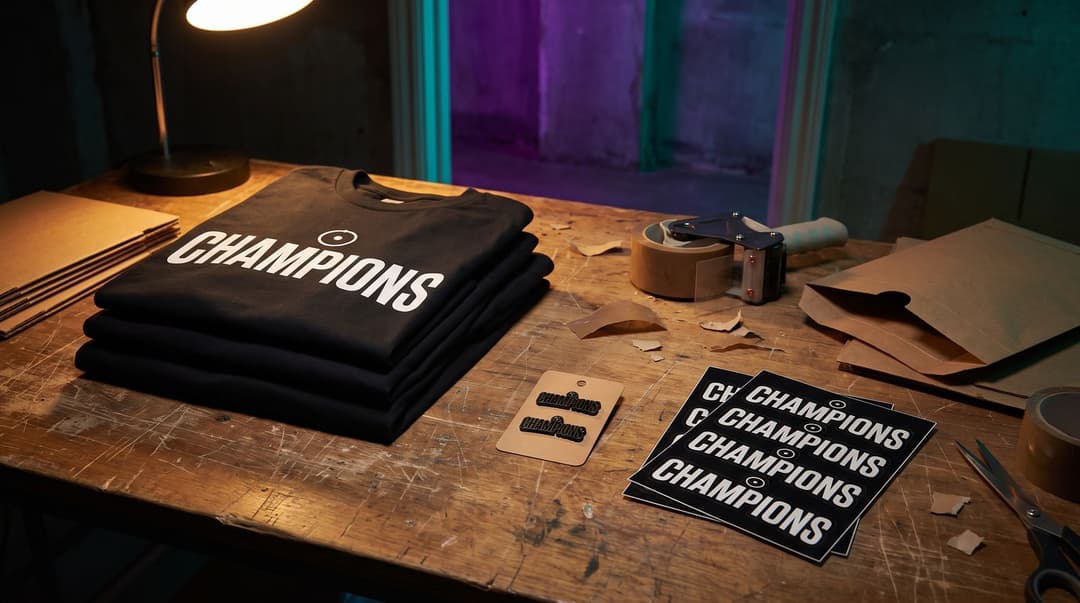
Once you’ve got your basic lineup and you’ve made a few sales, you can start thinking about merch that feels a little more special. These aren’t for your first-ever drop, but they’re great follow-ups that reward your most dedicated fans.
Player-Specific Designs
Does a player on your team have a huge personality, a dedicated following, or a catchphrase their chat spams all the time? A design just for them can be a massive hit. It shows you’re paying attention to the individual communities within your larger team, and it makes fans of that specific player feel seen and appreciated.
Limited “Event” Drops
This is the right way to do scarcity. Instead of just saying “only 50 available!” for no reason, tie a limited-edition drop to a real event. Did you win a local tournament? Make a “champions” shirt. Did you hit a huge sub goal? Drop a special design to celebrate. It makes the item a trophy, a memento of a shared moment. The scarcity is genuine because it’s tied to a point in time, and that makes it feel special, not manipulative.
Stickers and Pins
Never underestimate the power of small, cheap items. A sticker sheet with your team logo, player gamertags, and a few of your best Discord emotes is an easy win. Enamel pins are amazing, too. They’re super low-stakes purchases that let people show their support by repping your team on their laptop, water bottle, or backpack. Plus, they’re easy for you to order and mail out yourself if you want to.
How to Launch Your First Drop (Without Going Broke)
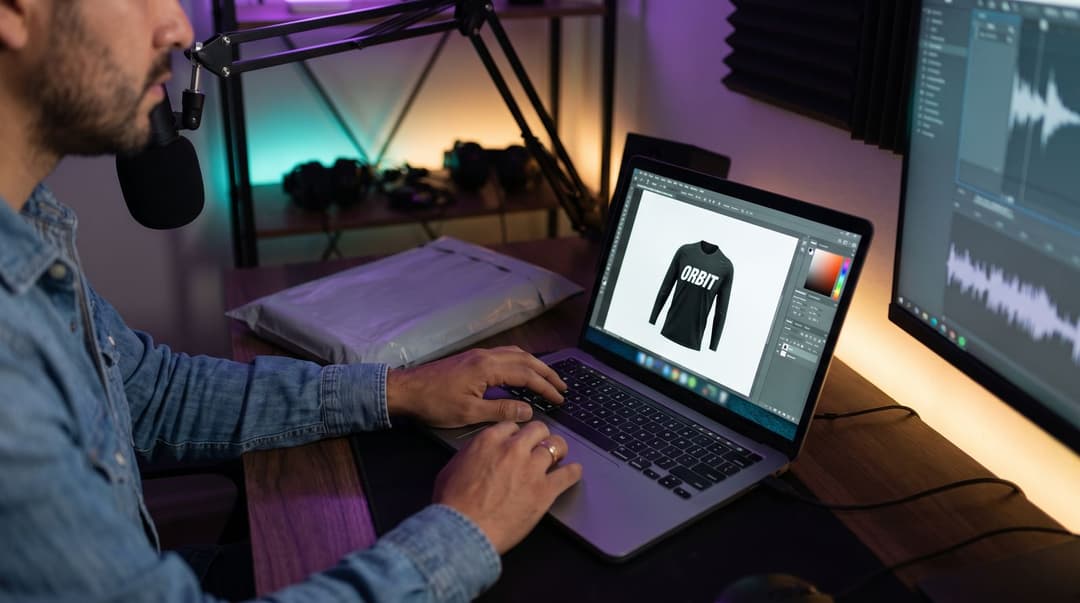
This is the part that scares most people off, but it’s actually the easiest part of the whole process. Here’s a simple, zero-risk plan for getting your first piece of esports merch out there.
- Design it Yourself (Simply). You do not need to hire a professional designer for $500. Open up a free tool like Canva and play around. A clean, text-based design or a simple, bold logo is all you need to start. Before you get too attached, make sure your team name and logo are legally yours to use. You can get familiar with the rules with these trademark basics from the USPTO.
- Use Print-on-Demand (POD). This is the most important advice in this entire article. Do not go order a box of 100 t-shirts and hope they sell. That’s how you end up with a closet full of unsellable merch. Using a print-on-demand (POD) service is the way to go here, because you don’t pay for anything until someone actually buys it. Set up your first products with a service like Printful and you can test designs with zero upfront cost.
- Get Feedback First. Before you hit launch, get some mockups and show them to your most trusted community members. Drop them in a private channel in your Discord. Put them up on a community tab post. Ask people, straight up: “Would you wear this?” Their feedback is free market research. Your design doesn’t have to be a masterpiece, but it does need to be clean and something people would genuinely wear out. If you’re stuck on ideas, we have a whole guide on how to design merch fans actually want to wear.
It’s a Conversation, Not a Final Exam
Successful esports merch isn’t about having a giant catalog or copying what the biggest teams do. It’s about creating something that genuinely represents your community’s identity and inside jokes.
Start by understanding why your fans would buy. Pick one or two great items, like a quality hoodie or a clever t-shirt, and use print-on-demand to launch it with absolutely zero financial risk. Your first drop is just the start of a conversation with your fans. Listen to what they love, create something you’re all proud of, and have some fun with it. You’ve got this.
FAQ
Do I need a professional designer for my esports merch?
No, especially not for your first drop. A simple, clean design you make yourself is better than a messy, overly complex one. Focus on a great idea first.
How much should I charge for my team's merch?
Start by looking at the base cost from your print-on-demand provider. Add a few dollars for your team's profit, but keep it reasonable. The goal is for fans to be able to afford it.
What if nobody buys my first merch drop?
It happens! Don't treat it as a failure. Ask your community for honest feedback, find out what they'd prefer to see, and try a different design next time.
Keep reading
- 10 Streamer Merch Ideas and Design Concepts Fans Actually Buy
Explore 10 streamer merch ideas fans actually buy, from mascots and inside jokes to limited drops and desk setups, plus tips on bringing designs to life.
- How to Design Merch Fans Actually Want to Wear
Learn how to design merch your fans will actually wear. Get merch design ideas, practical tips, and a step-by-step guide for your first drop.
- How to Create Merch Mockups That Actually Sell
Your merch mockup is more than a preview—it’s your best sales tool. Learn how to create mockups that look pro, build hype, and actually sell products.