how to start a merch business
Do You Need an LLC to Sell Merch as a Streamer?
Learn how to start a merch business without an LLC. We break down sole proprietorships, liability risk, and exactly when to upgrade to a formal structure.

So your chat keeps asking where they can buy your emote on a hoodie, and every time you think about it, a little voice goes, "But I'm not a real business. Don't I need a lawyer, an LLC, or a guy named Chad in a suit?"
Take a breath. That voice is wrong, and it is stopping way too many creators from doing something incredibly fun. You do not need to become a formal company overnight just to sell a t-shirt to the community who already loves your stream. When you figure out how to start a merch business, the very first roadblock most streamers hit is this exact question: do I need an LLC for a small business like a merch shop? I have fumbled through this stuff already, and I am going to save you the headache. We will cover what an LLC actually is, who genuinely needs one, and the simple default setting almost everyone begins with.
First Things First: What Even Is an LLC?
LLC stands for Limited Liability Company. It is a fancy name for a very simple job.
Think of it as a business structure that creates a legal wall between two distinct things: your personal assets, which include your savings account, your streaming PC, and your car, and your business assets, which include your merch money, your designs, and any inventory you hold.

Here is the nerdy analogy that finally made it click for me. An LLC is like rolling a separate character profile for your merch shop. That character has its own inventory, its own gold, and its own quest log. If something bad happens to that character in a high-level dungeon, your main character, you personally, does not lose their gear. The two profiles are legally separate entities.
That is the entire point of a limited liability company. It keeps the business's problems from bleeding into your personal life.
Now, here is the thing I wish someone told me sooner. An LLC is not a trophy. You do not level up into one just because you hit a certain follower count, average viewer milestone, or revenue goal. It is not a shiny badge that means you have officially made it as a creator. It is simply a practical tool, one you choose for specific, logical reasons. Plenty of incredibly successful creators run their entire shops without one for years, while some tiny operations grab one on day one. Neither approach is wrong. It is about managing your personal risk, not your streaming clout.
If you start paying for your personal streaming subscription, your grocery bills, or your private gaming setup directly from your business card, that legal wall gets super blurry. Lawyers call this "piercing the corporate veil," but you can think of it as cross-contamination. If you treat your personal and business money like the same pot of gold, the courts will too. That means your shield disappears, and your personal assets are right back on the line.
Tip
If another streamer or a random viewer in your chat tells you that you absolutely must form an LLC before selling your very first sticker, they are incorrect. It is a helpful option, not an entry gate.
The #1 Reason Streamers Get an LLC: Liability Protection
So, why would you ever want to build that separate character profile in the first place? It all comes down to liability protection.
Let us make this scenario real. Imagine you sell a batch of printed t-shirts, and a viewer has a severe allergic reaction to the ink and decides to take legal action against you. Without an LLC, there is no protective wall, meaning they could target your personal assets. They could go after your personal savings, your emergency fund, or even the dual-PC streaming setup you spent years building. With an LLC in place, they can generally only pursue the business assets, not your personal property. Your separate business takes the hit, and your personal life remains walled off.
That is the core value of an LLC. It acts as a shield for your personal stuff when your business does something that carries financial or legal risk.
However, and this is important, not all merch carries the same level of risk. Let us be completely honest about the odds here.
- Selling basic stickers, custom emotes on mugs, or standard t-shirts: Your real-world risk is incredibly tiny. Stickers do not explode, and a soft cotton shirt printed by a reputable fulfillment partner is about as low-stakes as business gets.
- Selling custom electronics, artisan keycaps made with untested resins, or anything you are making by hand in your kitchen: This is where you run into genuine risk. Food items, DIY cosmetics, and home-soldered electronics are a completely different tier of risk because they can physically hurt someone or cause property damage.
Choosing the print-on-demand route helps minimize this risk significantly. When you use print-on-demand, you are not the one manufacturing the physical products, handling heavy machinery, or storing boxes of inventory. Instead, a professional fulfillment partner produces and ships items only after they are ordered. This setup allows you to focus purely on creating great designs and marketing them directly to your stream. You operate as a designer and community leader, not a manufacturing factory.
So here is the honest framing: liability protection is about risk management, not a strict rule you must follow to sell your first shirt. If you are dropping some basic apparel and sticker packs for your community, your actual exposure to danger is low. If you are selling the streamer equivalent of custom-made power banks, you should think much harder about building that wall. Many creators find the peace of mind worth the cost once their operation grows, but it is a business decision, not a starting requirement.
Your Default Setting: The Sole Proprietorship
Here is the part nobody tells you, and it is weirdly freeing.
The moment you sell your first item online, you automatically become a sole proprietorship. There is no official paperwork to file, no state setup process, and no entry fee. You do not sign up for it; you simply exist as one the second money changes hands. It is the "easy mode" that almost everyone starts on, and there is nothing shady or unprofessional about it.
Operating this way is completely normal and legal. A sole proprietorship is the default legal identity of a one-person small business in the United States. Freelancers, Etsy crafters, local dog walkers, and yes, streamers launching their first limited merch drop operate as sole proprietors every day.
However, we need to look at the honest downside to keep things transparent: there is no legal separation. Remember that character-profile wall? A sole proprietor does not have one. You and your business are the exact same legal entity. This means your business's debts, mistakes, and legal liabilities are your personal responsibilities. If your business goes into debt or faces a lawsuit, there is no protective shield for your personal savings. That is the trade-off for the zero-hassle, zero-cost setup.
Tax season is refreshingly simple for sole proprietors, though. You generally report your business income right on your personal tax return, usually on a single extra schedule, and you are done. There is no need to file a complex, separate corporate tax return or deal with heavy business filings. You track what you made, subtract what you spent on business expenses like design software or stream assets, and report the profit as part of your normal taxes. To learn more about how this works, you can check out the official Internal Revenue Service sole proprietorship guide.
Tip
Even as a sole proprietor, you should open a separate bank account just for your merch money. It is not legally required for sole proprietors, but it makes tax time so much less painful. Mixing your stream's merch cash with your grocery money is a future-you problem that you can easily avoid today.
LLC vs. Sole Proprietorship: Do I Need an LLC for a Small Business?
Let us put the LLC vs sole proprietorship question side by side so you can easily compare the two. This is the exact comparison I wish I had when I first asked do I need an LLC for a small business this small.
| Feature | Sole Proprietorship | LLC (Limited Liability Company) |
|---|---|---|
| Setup Cost | $0 (automatic setup) | State filing fees ranging from $35 to $500 depending on location |
| Paperwork | None required to start | Articles of Organization, annual reports, operating agreement |
| Liability | No protection (personal assets are at risk) | Full liability protection (personal assets are shielded) |
| Best For... | Beginners testing the waters, low-revenue shops, sticker/tee drops | Consistent merch income, hiring team members, high-risk items |
Let us look at a few practical details regarding that table. The LLC filing fee is a one-time state cost to get started, but most states also charge an ongoing fee to keep your company active. Most states require LLCs to file an annual or biennial report, with the fee varying between roughly $25 to $100 on average. A few states are outliers on the expensive side, so you will want to check your local rules. You can review your specific state fees on the U.S. Small Business Administration guide on business structures.
The main takeaway here is not that one option is objectively better than the other. Instead, they are built for entirely different stages of your streaming journey. A sole proprietorship is your low-friction on-ramp to get things moving. The LLC is the security upgrade you grab when the financial stakes and the business complexity both start to grow.
How to Start a Merch Business: When Do You Actually Need an LLC?
Let us move past the legal theory. Here is a concrete, real-world checklist. The honest answer to how to start a merch business is simply to launch your first product, but knowing when to upgrade to an LLC requires a clear decision framework.
You should seriously consider forming an LLC when you:
- Consistently earn several thousand dollars in profit per year from your merch. When your apparel sales stop being extra pocket money and turn into a steady income stream, the personal liability shield becomes well worth the annual state fees.
- Plan to hire an editor, a dedicated channel artist, or a business manager. The moment you start paying other people out of your business earnings, your legal complexity goes up, making clear separation incredibly important.
- Sign official sponsorship contracts or licensing deals that involve your brand. Brand partners and contracts raise the stakes, and having a formal company structure looks more professional and protects you during contract negotiations.
- Decide to sell higher-risk products. If you move away from simple printed shirts and start selling custom-molded plastic goods, consumable items, or anything electronic, you want that legal shield in place.
- Want a clean business bank account and completely separate accounting. An LLC makes it much easier to keep your books pristine, as banks require official business documentation to open true commercial accounts.
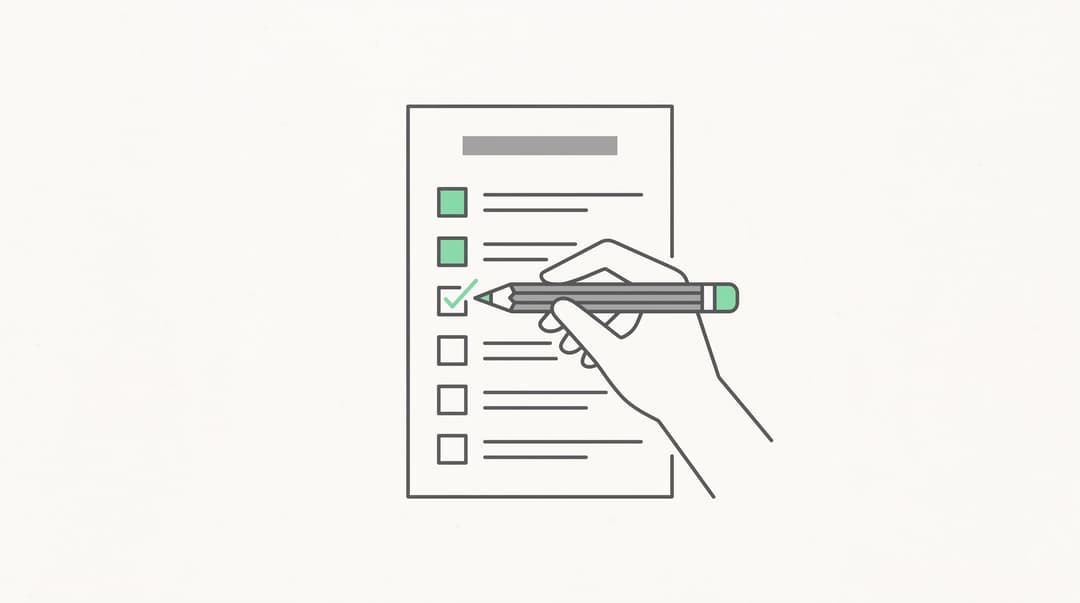
The actual process to form an LLC is less intimidating than it sounds. You will select an available name, file your Articles of Organization with your state's business agency, and pay the required filing fee. You can easily handle this paperwork yourself through your state's online portal, or you can use a professional service to manage the filings for you.
For reference, ZenBusiness offers formation plans starting at $0 plus state filing fees, which you can explore on the ZenBusiness Pricing Page (checked October 2026). Alternatively, LegalZoom offers complete setup services starting at $149 plus state fees, which you can view on the LegalZoom LLC Services Page (checked October 2026).
Putting It All Together
Here is the entire breakdown in a single breath: you do not need an LLC to start selling merch as a streamer. The very second you sell your first custom sticker or t-shirt to a viewer, you are operating as a sole proprietor. For a creator dropping low-risk apparel items to their community, that is a perfectly fine, completely legal place to be. An LLC is not a mandatory starting requirement, but rather a smart tool you reach for later down the road once your merch store shows consistent income and real-world risk. Knowing this is honestly half the battle of learning how to start a merch business without getting stuck in analysis paralysis.
Do not let complicated paperwork you do not even need yet kill your creative momentum. Your chat is actively asking for ways to support your channel.
Once you are clear on the business side of things, the fun part is learning how to make merch that your community will be proud to wear. The best way to sell merch online without taking a massive financial gamble on a garage full of unsold hoodies is the print-on-demand model. Since items are only printed and shipped after someone places an order, you carry zero inventory risk. When you are ready to bring your designs to life and get started, you can set up your print-on-demand store to start sharing your brand with your community.
FAQ
Do I need an LLC to use Printful?
No, you do not need a registered LLC to use Printful. You can sign up, connect your streaming storefront, and begin designing and selling products as a sole proprietor on day one. If you decide to form an LLC later on, you can easily update your billing and account details inside your settings.
Can I use my Twitch or YouTube channel name for my LLC?
Yes, you can use your channel name, provided that the name is not already registered by another business in your state. When you file your Articles of Organization, the state will run a name availability search. Keep in mind that your LLC name does not have to match your public storefront name exactly; you can register a broader corporate name and use it to run multiple creative projects.
Do I need a separate business bank account as a sole proprietor?
While it is not legally required for sole proprietors, it is highly recommended. Having a separate, dedicated account for your channel's income and expenses makes tracking your merch revenue simple. It also saves you from an absolute nightmare during tax season when you need to separate your personal spending from your business deductions.
How do sales taxes work when selling streamer merch online?
When you use a print-on-demand platform integrated with an e-commerce platform like Shopify or WooCommerce, the storefront software can automatically calculate and collect sales tax from your customers based on their location. Many platforms also handle the remittance process for you, but you should always review your local state tax guidelines to ensure you remain compliant.
Can I start as a sole proprietor and switch to an LLC later?
Yes, this is the path most successful streamers actually take. You can launch your store as a sole proprietor to test the waters and see if your audience enjoys your designs. Once your store is generating consistent monthly revenue and you are confident in your business, you can transition your shop to an LLC.
Keep reading
- Custom Desk Mats for Streamer Merch: The Full Guide
Thinking about a custom desk mat for your streamer merch? This is the complete guide to design, finding a printer, and setting a price your community will love.
- Instagram Shop vs. Linktree: Which Is Better for Streamer Merch?
Instagram Shop vs Linktree: which is better for your streamer merch? We break down the pros, cons, fees, and follower experience to help you choose the right tool.
- TikTok Shop for Streamers: Is It Worth the Grind?
Thinking about how to sell merch on TikTok for your stream? Here’s a no-BS guide on whether it's worth it and the steps to get your first drop live.